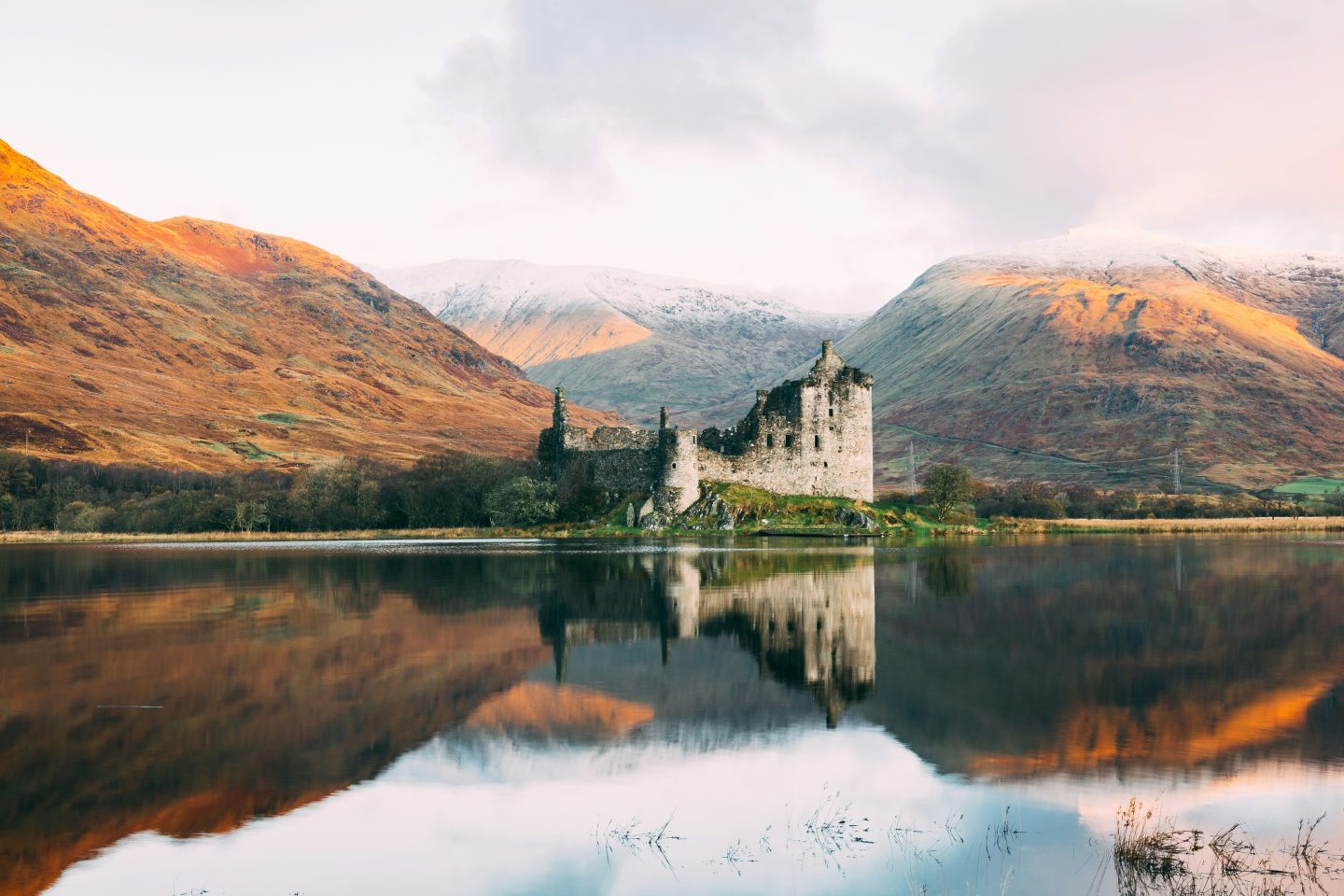
Dreaming of a once-in-a-lifetime adventure that takes in London’s grand landmarks, wild Scottish mountains and Ireland’s rugged Atlantic coast? The good news is that it’s perfectly possible to combine England, Scotland and Ireland in one epic holiday.
For visitors travelling from North America, Australia or further afield, a Britain and Ireland itinerary is a brilliant way to experience several very different landscapes and cultures in one trip. You could spend a few days exploring London, catch a train north to Edinburgh, hike among the mountains of the Scottish Highlands, then cross the Irish Sea to discover Dublin and Ireland’s spectacular western coast – it’s surprisingly easy to get around these relatively small but unbelievably beautiful islands. A specialist can even arrange a full guided Britain and Ireland tour that stitches England, Scotland and Ireland into one seamless itinerary,
The trick is not to try to see everything. Give yourself at least 12 days if you can, choose a handful of places you really want to experience, and build in enough time to enjoy them rather than spending your holiday constantly checking train times and repacking your suitcase.
Can you visit England, Scotland and Ireland in one trip?
Absolutely. And despite what the map might suggest, the distances involved are relatively manageable.
England and Scotland are both part of Great Britain, sharing the same island and a land border. Ireland is on a neighbouring island, separated from Great Britain by the Irish Sea.
That means you can travel between London and Edinburgh by train in around four and a half hours, while flights from Britain to Dublin take roughly an hour. Ferries also cross the Irish Sea, making it possible to bring a car with you if you want to explore the countryside under your own steam.
One thing that can be confusing for overseas visitors is the terminology. Great Britain and the United Kingdom aren’t the same thing. Great Britain is the island containing England, Scotland and Wales. The United Kingdom is made up of England, Scotland, Wales and Northern Ireland. The Republic of Ireland is a separate country.
How long do you need?
I’d recommend 12–16 days for a three-country trip. You can squeeze the highlights into 10 days, but you’ll need to be disciplined about how much you include.
Remember that distances on a map don’t tell the whole story. A journey might look short, but winding Highland roads, rural Irish lanes and the sheer number of places you’ll want to stop for photographs can make driving days considerably longer than expected.
A rough guide:
| Trip length | A good option |
|---|---|
| 7 days | London + one Scottish or Irish destination |
| 10 days | London + Edinburgh + Dublin |
| 12 days | London + Edinburgh + Scottish Highlands + Dublin |
| 14 days | London + Edinburgh + Highlands + Dublin + west Ireland |
| 16+ days | Add York, Wales, Northern Ireland or more rural Ireland |
My biggest piece of advice? Resist the temptation to change accommodation every night. Two or three nights in one place gives you time to actually experience it, rather than turning your holiday into a very scenic exercise in moving luggage.
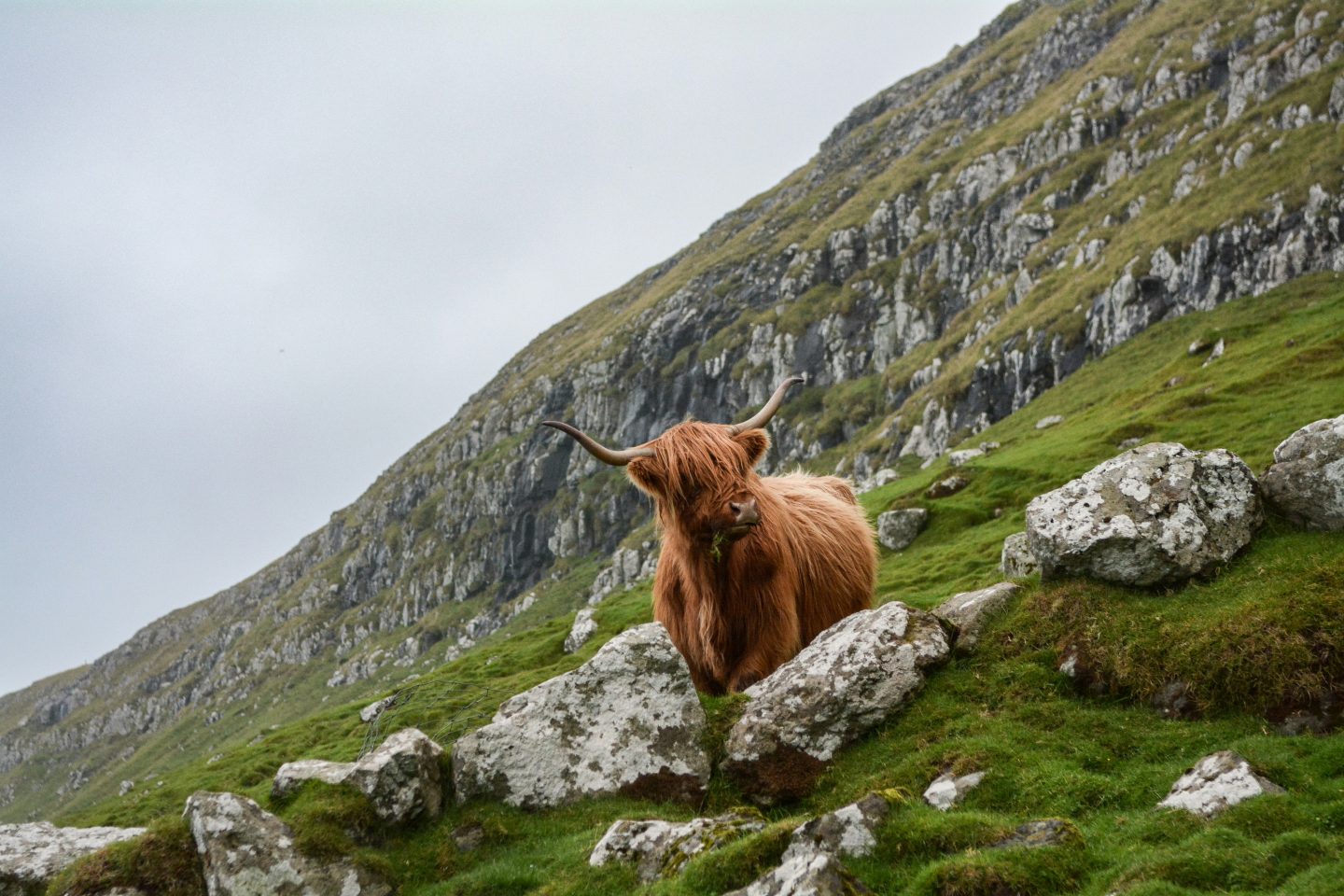
Three great England, Scotland and Ireland itineraries
There are endless ways to arrange this trip, but these are three sensible starting points – or explore tailor-made Britain and Ireland itineraries.
The 10-day highlights trip
London → Edinburgh → Dublin
This is the easiest option if it’s your first visit and you’re short on time.
Spend three or four nights in London, taking in the classic sights and perhaps escaping the city for a day in the nearby countryside. Take the train north to Edinburgh for two or three nights, then fly to Dublin for the final few days.
You won’t see much of the Scottish Highlands or rural Ireland, but you’ll get a good taste of three distinct places without spending your entire holiday in transit.
The 12-day Britain and Ireland adventure
London → York → Edinburgh → Scottish Highlands → Dublin
This is a lovely option if you want a little more scenery.
After London, head north to historic York before continuing to Edinburgh. From here, hire a car and drive into the Scottish Highlands for two or three nights. Think mountains, lochs, castles and long, empty roads.
Return the car in Edinburgh and fly to Dublin, where you can spend your final couple of nights.
This itinerary works particularly well for outdoorsy travellers because it gives you a taste of Britain’s cities without sacrificing time in the landscapes.
The 14-day wild scenery itinerary
London → Edinburgh → Scottish Highlands → Dublin → Galway or Connemara → Killarney
If spectacular landscapes are your priority, I’d choose this route.
Spend a few days in London before heading north to Edinburgh and into the Highlands. After Scotland, fly to Dublin and hire a car for the west coast of Ireland.
From Dublin, head towards Galway and Connemara, then continue south to Killarney and the Wild Atlantic Way. You’ll encounter some of Ireland’s most beautiful scenery – from windswept Atlantic beaches and green mountains to dramatic sea cliffs.
The downside? There isn’t much room for spontaneity. If you can stretch the trip to 16 or 18 days, you’ll enjoy this route much more.
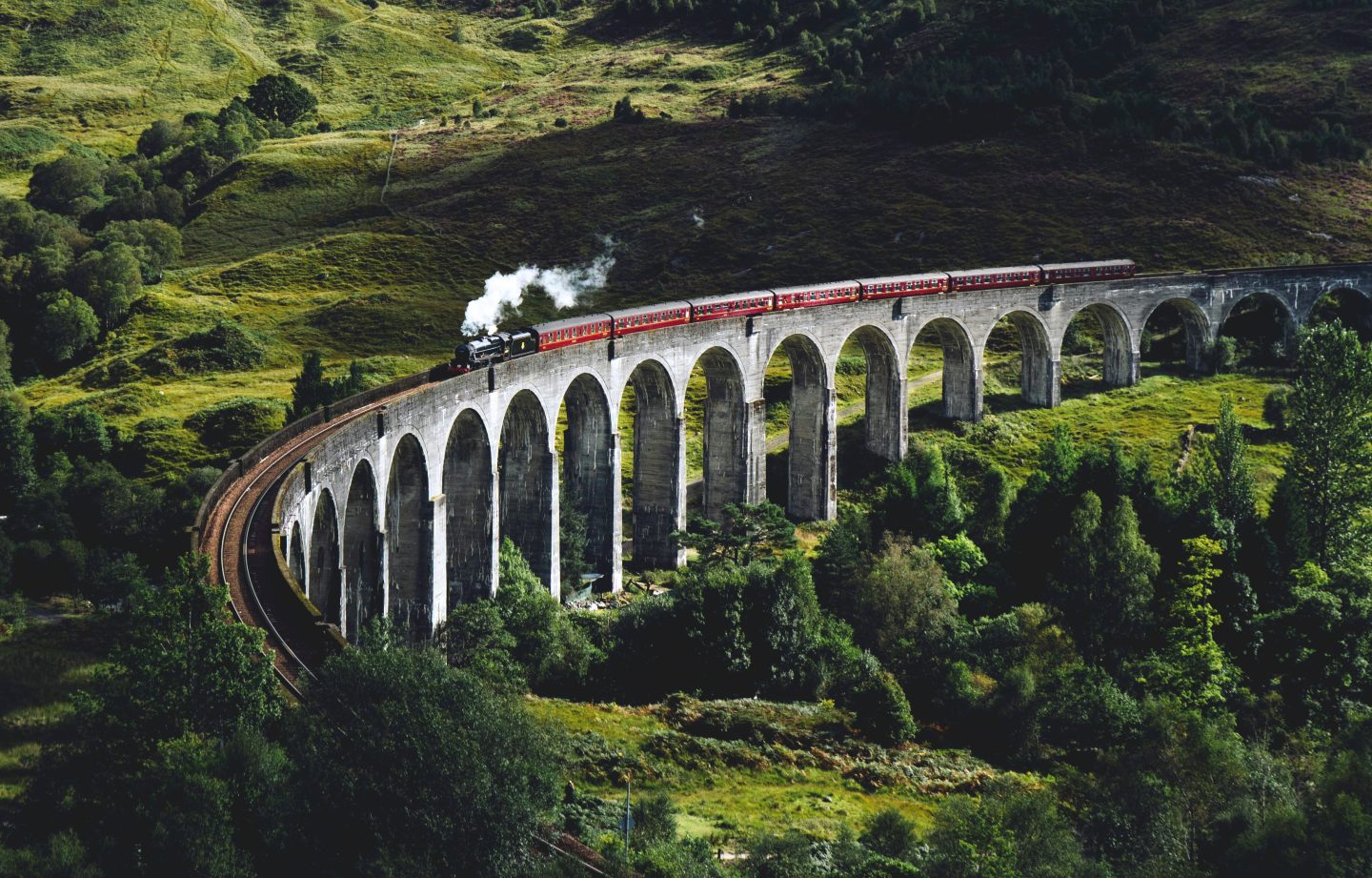
How do you travel between England, Scotland and Ireland?
You don’t necessarily need a car for the whole trip.
In fact, I’d avoid hiring a car in London. Public transport is excellent, parking is expensive and driving around central London is more hassle than it’s worth.
Trains are also the easiest way to travel between major British cities. London to Edinburgh is a particularly scenic railway journey, crossing northern England before following the coast towards Scotland.
Once you head into the Highlands or rural Ireland, however, a car becomes much more useful.
| Journey | Best option |
|---|---|
| London → York | Train |
| London → Edinburgh | Train |
| Edinburgh → Highlands | Hire car |
| Scotland → Dublin | Flight or ferry |
| Dublin → Galway | Train or hire car |
| Galway → Connemara | Hire car |
| Dublin → Killarney | Train or hire car |
Flying or taking the ferry to Ireland?
If you’re short on time, fly. Flights between Britain and Ireland are frequent and usually take around an hour in the air.
But the ferry is a great alternative if you’re planning a road trip. You can take your car across the Irish Sea and continue your journey on the other side.
If you’re bringing a rental car, check your hire company’s rules before booking – not all rental companies allow their vehicles to be taken across international borders.
And remember that Britain and Ireland both drive on the left-hand side of the road. If you’re used to driving on the right, allow yourself a little time to get accustomed to it, particularly on narrow rural roads.
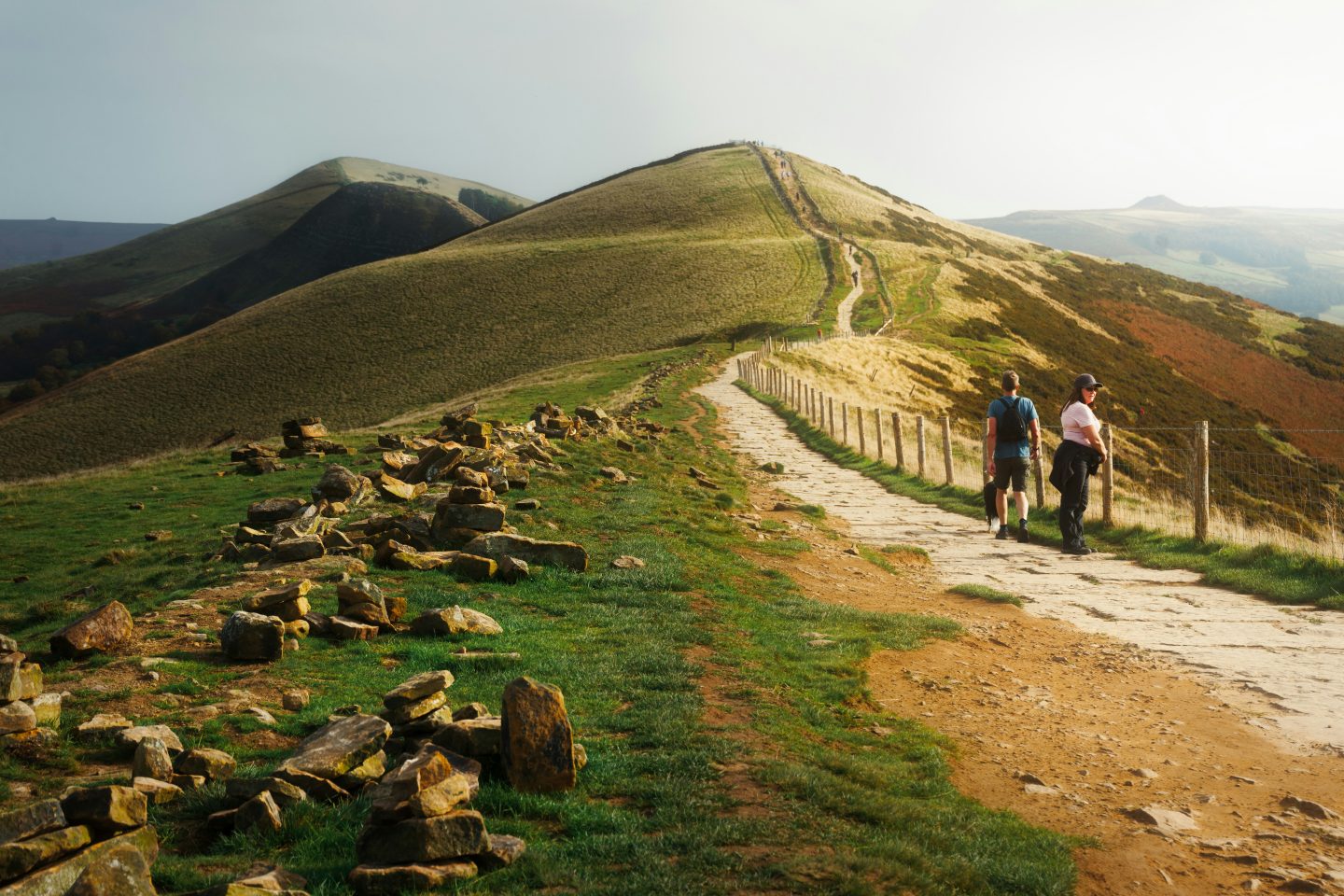
When is the best time to visit?
For a trip that combines cities, hiking and countryside, late spring and early autumn are my favourite times to go.
May, June and September offer a good balance of daylight, reasonable weather and fewer crowds than the height of summer. July and August bring long days and plenty of outdoor events, but they’re also the busiest months.
The weather is the wildcard. British and Irish weather is famously changeable, and even in summer you should pack a waterproof jacket, warm layers and proper shoes if you’re heading into the hills. In Scotland and on Ireland’s Atlantic coast, rain and wind can arrive surprisingly quickly.
The upside is that this is part of what makes these landscapes so green and dramatic. Don’t plan every day around sunshine. Have a wet-weather option up your sleeve and you’ll enjoy the trip much more.
Should you hire a car?
Not for the entire trip.
For a first visit, I’d use public transport for London and the major cities, then hire a car when you reach the Scottish Highlands or rural Ireland.
Driving gives you much more freedom once you’re away from the cities, particularly if you want to hike, visit remote beaches, explore small villages or stop whenever you see a beautiful view.
But don’t underestimate driving times. Roads through the Highlands and western Ireland can be narrow and winding, and some rural roads are single-track, meaning you’ll need to use passing places to allow oncoming vehicles through.
Distances and speed limits are given in miles and miles per hour, and petrol stations can be few and far between in remote areas.
A few things overseas visitors should know
Bring waterproofs. Even in summer. You can have four seasons in one day in the Highlands.
Book popular accommodation ahead. Small hotels, B&Bs and remote cottages can fill up surprisingly quickly in summer.
Don’t underestimate the countryside. A place that looks close on a map may take much longer to reach than expected.
Keep some flexibility. Weather can change hiking plans, ferries can be disrupted by rough seas and the occasional British railway delay is almost a rite of passage.
Check entry requirements before you travel. England and Scotland are part of the UK, while the Republic of Ireland has its own immigration rules. Requirements vary according to your nationality, so check the relevant government guidance before booking.

